
Hiking Sandals vs Hiking Shoes: Which Is Better for Outdoor Adventures?
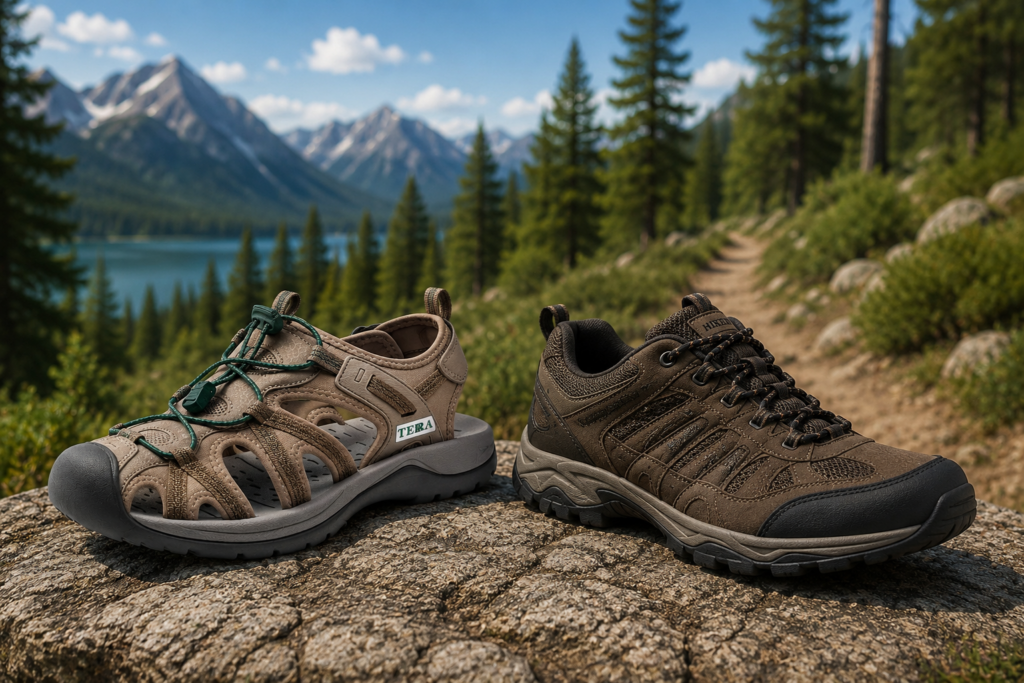
Learn the key differences in the hiking sandals vs hiking shoes debate, including benefits, drawbacks, and the best uses for outdoor adventures. June 16, 2026 Gahyun Kim Comparing Hiking Sandals and Hiking Shoes for Outdoor Hiking sandals vs hiking shoes is a common comparison for outdoor enthusiasts. Both options are popular choices for outdoor activities, but each offers different benefits depending on the trail, weather, and type of adventure. Some people prefer the breathability of hiking sandals, while others choose hiking shoes for added protection and support. Understanding the differences can help you select the best footwear for your next outdoor trip. 1. What are hiking sandals? Hiking sandals vs hiking shoes is a common comparison for outdoor enthusiasts. Hiking sandals are designed for outdoor activities such as walking, hiking, and travel. Unlike regular sandals, they are built to handle outdoor conditions and longer periods of walking. Most hiking sandals feature adjustable straps, durable soles, and open designs. These features allow air to circulate around your feet and provide a cooler feeling in warm weather. Our hiking sandals feature closed-toe designs, which provide additional protection for the toes while maintaining the benefits of a sandal. Hiking sandals are often used for summer hikes, easy trails, and trips near water. Many people also choose them for travel because they are lightweight and easy to pack. Many hikers choose hiking sandals because they offer a balance between comfort and outdoor performance. They can be a practical option for people who spend long hours walking in warm conditions. Hiking sandals are available in a variety of styles and designs. Some are made for casual outdoor activities, while others are built for longer walks and light hiking. Features such as durable soles and adjustable straps can improve comfort during outdoor adventures. 2. What are hiking shoes? Hiking shoes are made for outdoor adventures that require more protection and support. They cover most of the foot and offer greater stability than sandals. Many hiking shoes include strong outsoles, protective toe areas, and durable materials. These features are useful on rough paths and uneven surfaces. Hiking shoes are commonly used for longer hikes, rocky trails, and challenging outdoor conditions. They are often preferred when extra support is needed. Many hikers prefer hiking shoes because they can handle a wider range of trail conditions. Their durable construction can help improve confidence when walking on uneven ground. Hiking shoes are available in different materials and designs. Some focus on lightweight comfort, while others are designed for durability and protection. Choosing the right style often depends on the type of outdoor activity you plan to do. 3. Benefits and Drawbacks of Each Option One advantage of most of hiking sandals is breathability. Open designs allow more airflow, which can make hot weather hikes feel more comfortable. Quick drying materials are also useful around water. Breathability is especially valuable during summer hikes and travel. Better airflow around the feet may help reduce discomfort during long periods of walking in warm weather. On the other hand, hiking sandals leave much of the foot exposed. Small rocks, dirt, and branches can easily reach your feet. Cooler temperatures may also reduce their comfort. Hiking shoes provide more protection and support. However, they are usually heavier than sandals and may feel warmer during summer hikes. The better option often depends on where and how you plan to hike. Both options offer advantages in different situations. The best choice depends on your priorities, including comfort, protection, weather, and trail conditions. Weather conditions can also influence your decision. Hiking sandals are often preferred during hot summer weather because they allow more airflow around the feet. Hiking shoes may be a better option when temperatures are cooler or weather conditions are less predictable. The comparison below highlights some of the key differences between the two options. Footwear is only one factor that affects outdoor comfort. Additional ideas can be found in our article, How to Stay Comfortable on Long Walks and Day Hikes. 4. When to choose each option The best choice often depends on your destination, weather, and planned activities. Different situations may require different types of footwear. Hiking sandals work well on easy trails, warm-weather trips, and outdoor activities near water. Their lightweight design is often appreciated during casual adventures. Trail difficulty is another factor worth considering. Footwear that works well on an easy path may not provide the same level of comfort on more demanding routes. For example, hiking sandals may be a practical choice for lakeside walks, campground activities, and short outdoor trips. Their open design can feel more comfortable during hot summer days. Hiking shoes are usually a better choice for rough trails, longer hikes, and unpredictable weather. In contrast, hiking shoes are often preferred when extra protection is needed. Rocky trails and uneven surfaces may require more support than sandals can provide. More coverage and support can make a noticeable difference on challenging routes. In some situations, hikers may choose both options for different activities during the same trip. For example, hiking shoes may be used on trails, while hiking sandals may be worn around the campsite. Outdoor adventures often require more than just the right footwear. Our article, The Ultimate Summer Camping Checklist for Beginners, highlights other essentials to consider before your trip. 5. Conclusion When comparing hiking sandals vs hiking shoes, each option offers different advantages. Sandals provide breathability and lightweight comfort, while hiking shoes offer greater protection and support. Before making a decision, consider your destination, weather, and planned activities. The right footwear choice can improve your overall outdoor experience. No single option is perfect for every outdoor adventure. Considering your needs and environment can make it easier to select the most suitable footwear. Both hiking sandals and hiking shoes can be valuable options for outdoor adventures. Understanding the strengths of each option can help you make a more confident choice before your next trip.
The Ultimate Summer Camping Checklist for Beginner
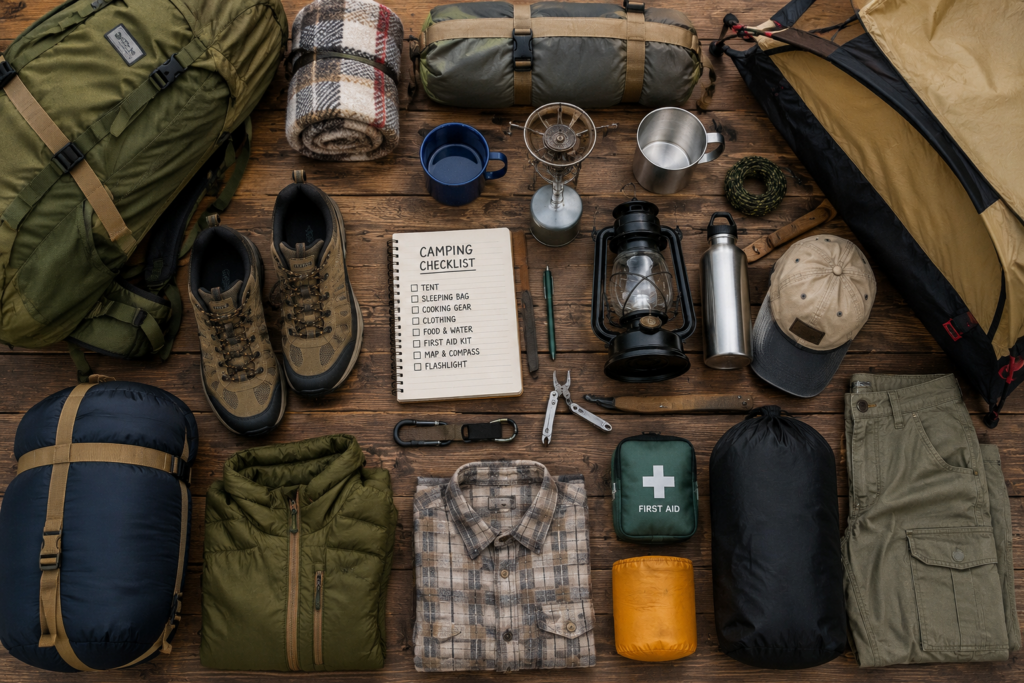
Use this summer camping checklist to prepare for your next trip. Learn what clothing, footwear, safety items, and outdoor essentials to bring for a comfortable camping experience. June 16, 2026 Gahyun Kim Everything You Need for a Comfortable Summer Camping Trip Summer camping is a great way to enjoy the outdoors and spend time in nature. However, forgetting important items can make your trip less comfortable. This checklist includes the basic items you should bring for summer camping. It can help you stay comfortable, safe, and prepared during your trip. 1. Clothing Essentials for Summer Camping Summer weather can change quickly, even during camping trips. The daytime may be warm and sunny, but mornings and evenings can feel much cooler. Being prepared for different temperatures can help you stay comfortable throughout your trip. Choosing the right clothing can make your camping trip more comfortable. Breathable T-shirts, lightweight pants or shorts, and a hat are good options for warm weather. It is also a good idea to bring extra clothes in case your clothing gets wet or dirty. Quick-drying clothing can also be helpful, especially if you spend a lot of time outdoors or expect changing weather conditions. Layering is a simple way to stay comfortable during summer camping. A light jacket or hoodie can help you stay warm when temperatures drop in the morning or evening. I was surprised how cold a summer night could be while camping. Since then, I always pack an extra layer for cooler evenings. A light jacket or hoodie can be useful when the weather becomes cooler than expected. 2. Choosing the Right Footwear Choosing the right footwear is important for camping and outdoor activities. Comfortable shoes can help you walk more easily and reduce foot discomfort. They can also provide better support and stability on different trails. The right footwear can also help make your camping trip safer and more comfortable. The best footwear often depends on where you plan to camp. Flat campgrounds may require different footwear than forest trails or uneven paths. Lightweight shoes or sandals may work well at flat campgrounds. For forest trails or uneven paths, shoes with good grip and support are often a better choice. If you plan to do light hiking, hiking shoes can provide additional comfort and stability. Comfort and support should always be priorities when choosing footwear. Wearing the right shoes can help you enjoy your camping trip and spend more time outdoors. It is also a good idea to wear your footwear before your trip to make sure it feels comfortable. To learn more about the differences between outdoor footwear options, check out our article, Hiking Sandals vs Hiking Shoes: Which Is Better for Outdoor Adventures? Understanding the benefits of each type can help you choose the right footwear for your next camping trip. 3. Important Safety Items Safety should always be part of your camping preparation. Even on short camping trips, unexpected situations can happen. Bringing a few basic safety items can help you feel more prepared and confident outdoors. Some important safety items include a first aid kit, a flashlight or headlamp, and a portable phone charger. These items can be useful if you need help, lose light after sunset, or need to contact someone. It is also a good idea to have emergency contact information available during your trip. If you are camping in a less familiar area, consider sharing your plans with a friend or family member before you leave. You may not need to use safety equipment on every camping trip, but it can be very helpful in an emergency. Carrying these items does not take much effort and can provide extra peace of mind. Being prepared can help you stay safe and enjoy your camping experience. 4. Outdoor Gear You Should Bring Bringing the right camping gear can make your trip more comfortable and convenient. Basic equipment can help you sleep better, stay organized, and enjoy your time outdoors. Having the right gear can also make daily camping activities easier. Some essential camping items include a tent, sleeping bag, camping chair, water bottle, and cooking equipment. These items can help you stay comfortable and prepared throughout your trip. Depending on the weather, your campsite, and your planned activities, you may also need additional gear. A packing list can help you stay organized and make sure nothing important is left behind. The gear you need may vary depending on your camping plans. A short weekend trip may require fewer items than a longer camping adventure. Preparing for your trip can help you bring the items you actually need. Every camping trip is different, so it’s important to choose gear that matches your plans and activities. Staying comfortable during outdoor activities is also important. Our article, How to Stay Comfortable on Long Walks and Day Hikes, shares additional tips for enjoying outdoor activities. 5. Final Camping Checklist Before leaving for your camping trip, it is important to review your checklist. A quick check can help you avoid forgetting important items. Being organized before your trip can help you feel more prepared and confident. It can also save time and reduce stress when packing. Even a simple checklist can help ensure that you have everything you need for a comfortable camping experience. If you are getting ready for your camping trip, use the checklist below to help with your packing. A few minutes of preparation before departure can prevent common camping mistakes. With everything ready in advance, you can spend less time worrying about forgotten items and more time enjoying your camping trip. This simple habit can make your trip more organized and enjoyable. When everything is ready, you can spend more time relaxing and exploring the outdoors. 6. Conclusion A comfortable camping trip starts with good preparation. The right clothing, footwear, safety items, and outdoor gear are essential for a safe and enjoyable camping experience. These essentials can make camping easier, safer, and more enjoyable. Now it is time
Tips for Comfortable Long Walks and Day Hikes
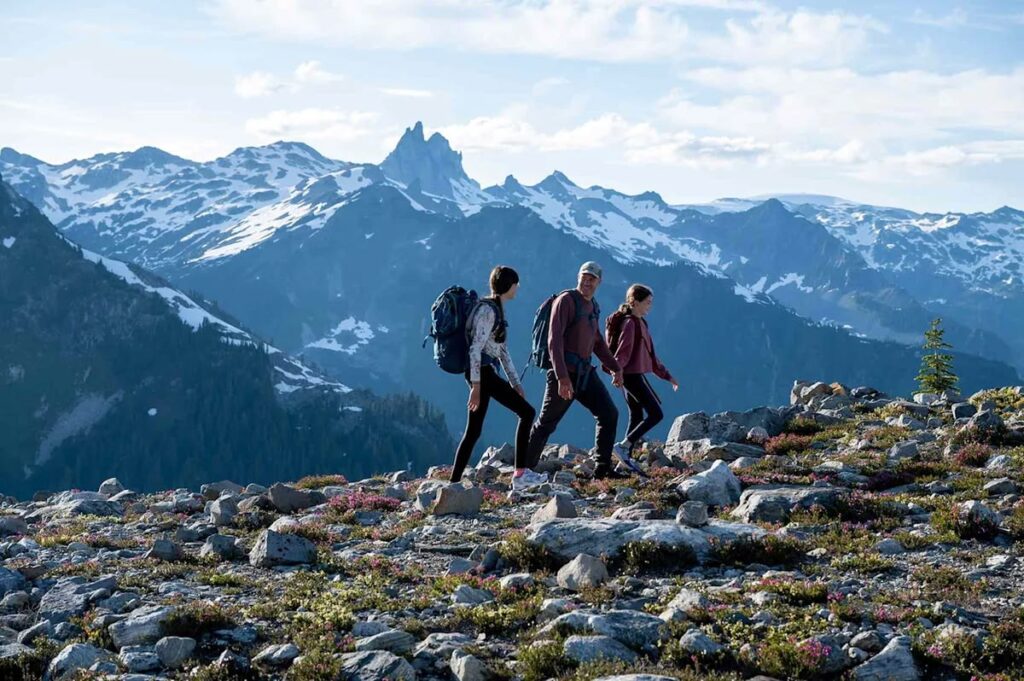
Discover tips for comfortable long walks and day hikes. Learn how to choose the right walking shoes, reduce foot tiredness, and stay comfortable outdoors. June 16, 2026 Gahyun Kim How to Stay Comfortable on Long Walks and Day Hikes Long walks and day hikes can be enjoyable and rewarding outdoor activities. However, the wrong footwear, poor hydration, or lack of preparation can lead to discomfort. These simple tips can help you stay comfortable and make the most of your outdoor adventures. 1. Choose the Right Walking Shoes Walking shoes are one of the most important pieces of gear for long walks and day hikes. Wearing shoes that fit well can help you stay comfortable, while the wrong shoes may lead to foot pain during long walks. That is why it is important to choose the right pair before heading outdoors. There are several things to consider when choosing walking shoes. Good cushioning can help reduce pressure on your feet during long walks. Arch support can improve comfort and stability. Breathable materials can also help keep your feet cool, especially in warm weather. It is also a good idea to try on your shoes before a long walk. This can help you make sure they fit properly and provide enough support for your feet. The best shoes also depend on where you plan to walk. Some trails are smooth, while others are rocky or uneven. Choosing shoes that fit the trail can make your walk more comfortable and safer. Choosing the right footwear can make a big difference in your comfort and safety. If you are unsure which option is best for your next trip, read our guide on Hiking Sandals vs Hiking Shoes: Which Is Better for Outdoor Adventures? 2. Reduce Foot Tiredness During Long Walks During long walks, your feet experience repeated impact with every step. Walking for many hours can cause tired feet and sore muscles. This is especially common on uneven trails or longer routes. Hot weather and carrying extra weight can also make your feet feel more tired. Taking care of your feet early can help prevent discomfort later in the day. On one of my hikes, I carried more items than I needed. By the end of the day, my feet and legs felt much more tired than expected. After that, I started packing only the essentials and taking short breaks when needed. Good socks can also help keep your feet dry and comfortable. Small changes like these can make a big difference during a long walk. Most importantly, do not push yourself too hard. Walking at your own pace can help you stay comfortable and enjoy the experience. If you start to feel tired, take a short break and drink some water. Listening to your body can help you avoid unnecessary strain and enjoy your walk for longer. 3. Stay Hydrated Outdoors Staying hydrated is important during long walks and day hikes. Your body loses water through sweat, especially when you are active outdoors. Not drinking enough water can make you feel tired and reduce your energy levels. It may also make your hike less enjoyable. It is a good idea to drink water regularly during your walk. Do not wait until you feel thirsty. Drinking water a little at a time can help you stay hydrated. Bringing a reusable water bottle can also make it easier to drink water when needed. It is also important to bring enough water for the length of your hike. Longer hikes usually require more water than shorter walks. Hot weather can increase the risk of dehydration. On hot days, you may need to drink more water than usual. Sports drinks or electrolyte tablets can also help replace minerals lost through sweat. Staying hydrated can help you feel more comfortable and enjoy your outdoor adventure for longer. 4. Prepare for Different Trail Conditions Trail conditions can change quickly during a walk or hike. A sunny morning can turn into a rainy or windy afternoon. Some trails may also be more difficult than expected. Being prepared for changing conditions can help you stay safe and comfortable. Before going on a hike, I didn’t check the weather forecast. The weather became colder than I expected. I didn’t have enough warm clothes. After that experience, I started checking the forecast before every hike and packing a few essential items. Being prepared for these changes can help you stay comfortable on the trail. When you plan a walk or hike, it is important to check the weather and bring basic gear such as water, snacks, and an extra layer. Proper preparation can improve both safety and comfort on the trail. If you need more preparation tips, read our guide called The Ultimate Summer Camping Checklist for Beginners. 5. Enjoy Longer Walks and Day Hikes A comfortable hike is not just about reaching your destination. It is also about enjoying the hike itself. Spending time outdoors can help you relax, stay active, and connect with nature. When you are comfortable, it is easier to enjoy your walk and make positive memories. It’s important to walk at your own pace and take breaks when needed. You do not need to rush to finish the trail. Taking time to enjoy the scenery can make your hike more enjoyable. Whether you are walking through a forest, along a lake, or on a mountain trail, there is always something to appreciate. You may also notice wildlife, unique landscapes, or seasonal changes in nature. These small moments can make your outdoor adventure more rewarding. Good preparation can help you have a better outdoor experience. Choosing the right shoes, staying hydrated, and preparing for different trail conditions can make a big difference. These simple habits can help you walk longer, feel more comfortable, and enjoy your day hike even more. These simple habits can help you enjoy long walks and day hikes with less discomfort. 6. Conclusion Staying comfortable during long walks and day hikes starts with good preparation.
How to Choose the Best Eco-Friendly Trail Sandals for Hiking and Travel
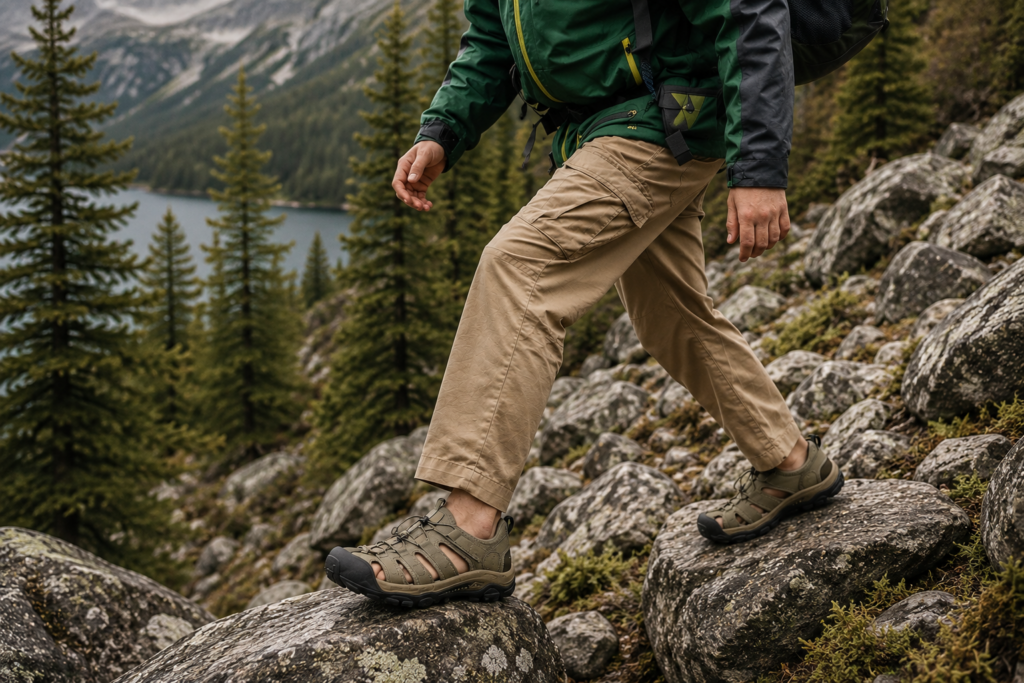
This article explains the key factors to consider when choosing eco-friendly trail sandals. It highlights important features such as sustainability, comfort, durability, and traction. As more travelers look for environmentally responsible products, selecting the right footwear has become increasingly important. June 9, 2026 Gahyun Kim More people are looking for sandals for hiking and traveling. They are interested in sustainable products. A good trail sandal should be comfortable, durable, and environmentally friendly. This article introduces the main factors to consider when choosing eco-friendly trail sandals. 1. Check the Materials When choosing eco-friendly trail sandals, the materials are one of the most important factors. Eco-friendly trail sandals are good for the environment and outdoor activities. They use eco-friendly materials, reduce waste, and support sustainable production. Organizations such as Textile Exchange promote the use of sustainable materials in the fashion and footwear industry. What to look for: Natural rubber outsoleBamboo liningRecycled polyester strapOther sustainable materials 2. Prioritize Comfort and Support Comfort is important for hiking and travel. A good pair of trail sandals should provide support and reduce foot fatigue during long walks. Key Features: Cushioned footbedArch supportAdjustable strapsLightweight design Benefits: Comfortable for long walksReduces foot fatigueSuitable for different foot shapes 3. Look for Durability and Grip Trail sandals should be durable enough for outdoor adventures. Good grips can help prevent slipping on different surfaces. What to Look For: Non-slip outsoleWater-resistant materialsStrong stitchingRugged sole design Benefits:Better tractionLonger product lifeSuitable for different terrains 4. Consider Versatility for Hiking and Travel The best eco-friendly trail sandals can be used in many situations. They should be practical for both outdoor adventures and daily activities. Suitable for: HikingCampingTravelEveryday wear Benefits: Easy to packComfortable travelStylish for daily use 5. Recommended Eco-Friendly Trail Sandals If you are looking for eco-friendly trail sandals, choose a product that combines sustainability, comfort, and durability. Our eco-friendly trail sandals are made for people who love hiking, travel, and nature. They are made with sustainable materials and provide comfort and support for different outdoor activities. Key Features: Sustainable materialsLightweight designComfortable fitDurable outsoleSuitable for hiking and travel To learn more about our products, visit our Product Page and explore our latest collection. Conclusion Choosing the best eco-friendly trail sandals does not have to be difficult. By checking the materials, comfort, durability, and versatility, you can find a pair that meets your needs while supporting a more sustainable lifestyle. The right choice helps protect the environment while providing a better outdoor experience. Have questions about our eco-friendly trail sandals? Visit our Contact Us page to get in touch with us.