
Comparing Hiking Sandals and Hiking Shoes for Outdoor
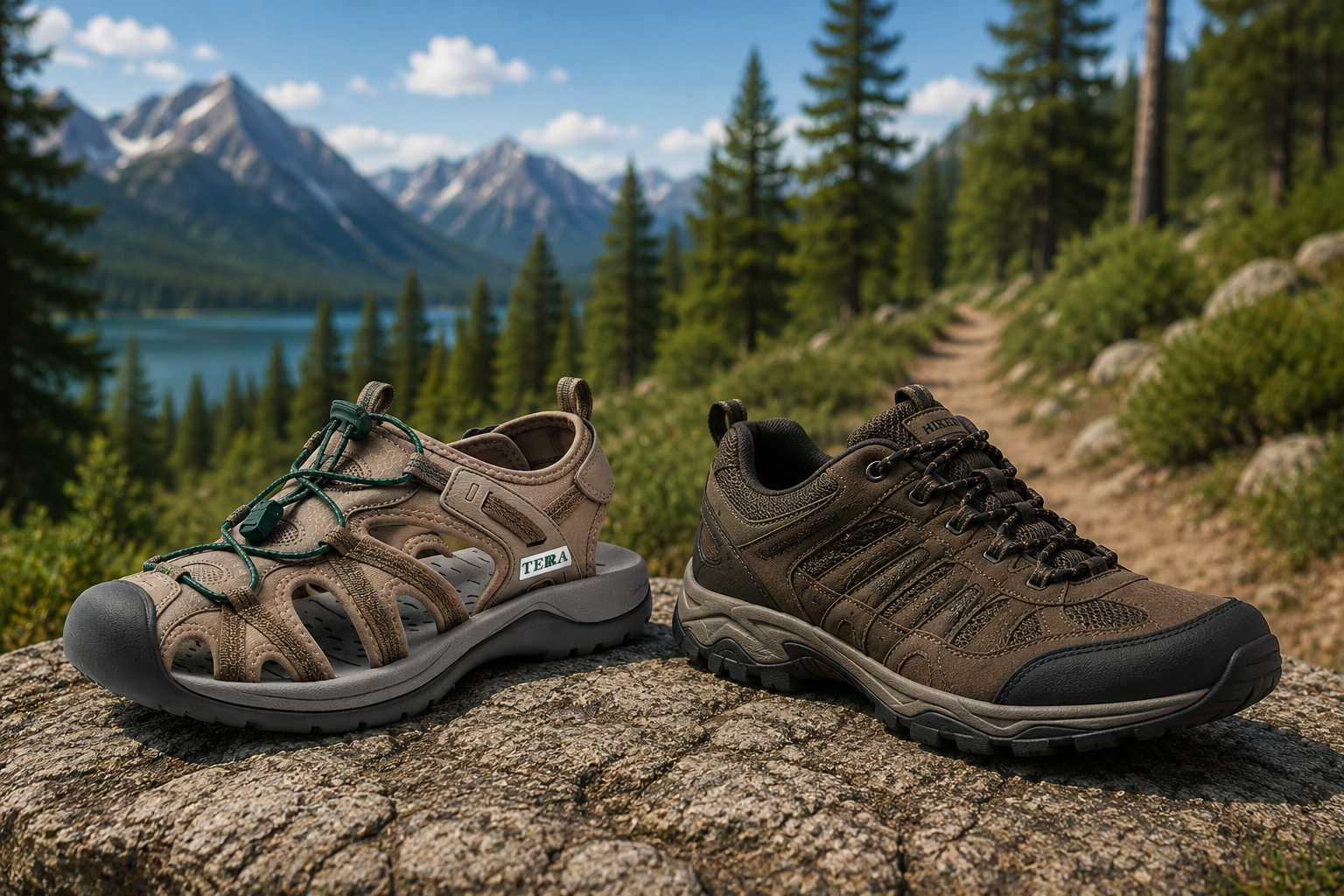
Hiking sandals vs hiking shoes is a common comparison for outdoor enthusiasts. Both options are popular choices for outdoor activities, but each offers different benefits depending on the trail, weather, and type of adventure. Some people prefer the breathability of hiking sandals, while others choose hiking shoes for added protection and support. Understanding the differences can help you select the best footwear for your next outdoor trip.
1. What are hiking sandals?
Hiking sandals vs hiking shoes is a common comparison for outdoor enthusiasts. Hiking sandals are designed for outdoor activities such as walking, hiking, and travel. Unlike regular sandals, they are built to handle outdoor conditions and longer periods of walking.
Most hiking sandals feature adjustable straps, durable soles, and open designs. These features allow air to circulate around your feet and provide a cooler feeling in warm weather. Our hiking sandals feature closed-toe designs, which provide additional protection for the toes while maintaining the benefits of a sandal.
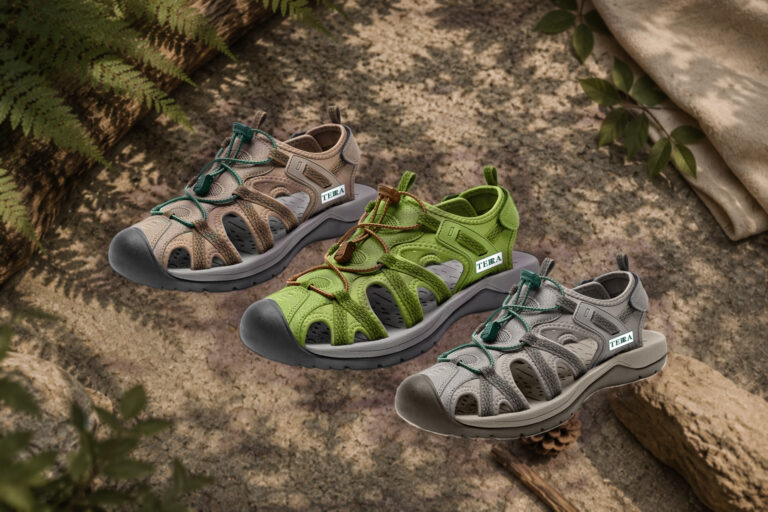
Hiking sandals are often used for summer hikes, easy trails, and trips near water. Many people also choose them for travel because they are lightweight and easy to pack. Many hikers choose hiking sandals because they offer a balance between comfort and outdoor performance. They can be a practical option for people who spend long hours walking in warm conditions. Hiking sandals are available in a variety of styles and designs. Some are made for casual outdoor activities, while others are built for longer walks and light hiking. Features such as durable soles and adjustable straps can improve comfort during outdoor adventures.
2. What are hiking shoes?
Hiking shoes are made for outdoor adventures that require more protection and support. They cover most of the foot and offer greater stability than sandals.
Many hiking shoes include strong outsoles, protective toe areas, and durable materials. These features are useful on rough paths and uneven surfaces.
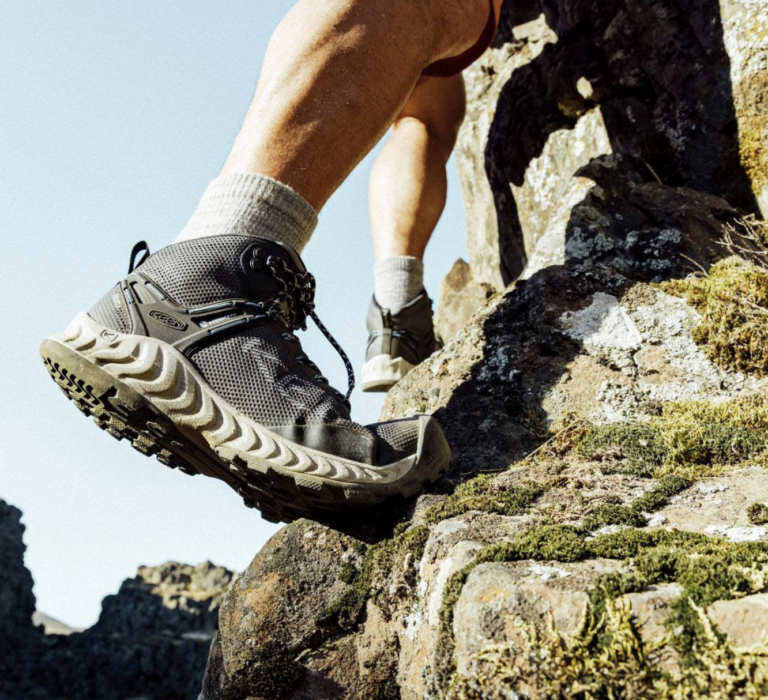
Hiking shoes are commonly used for longer hikes, rocky trails, and challenging outdoor conditions. They are often preferred when extra support is needed. Many hikers prefer hiking shoes because they can handle a wider range of trail conditions. Their durable construction can help improve confidence when walking on uneven ground. Hiking shoes are available in different materials and designs. Some focus on lightweight comfort, while others are designed for durability and protection. Choosing the right style often depends on the type of outdoor activity you plan to do.
3. Benefits and Drawbacks of Each Option
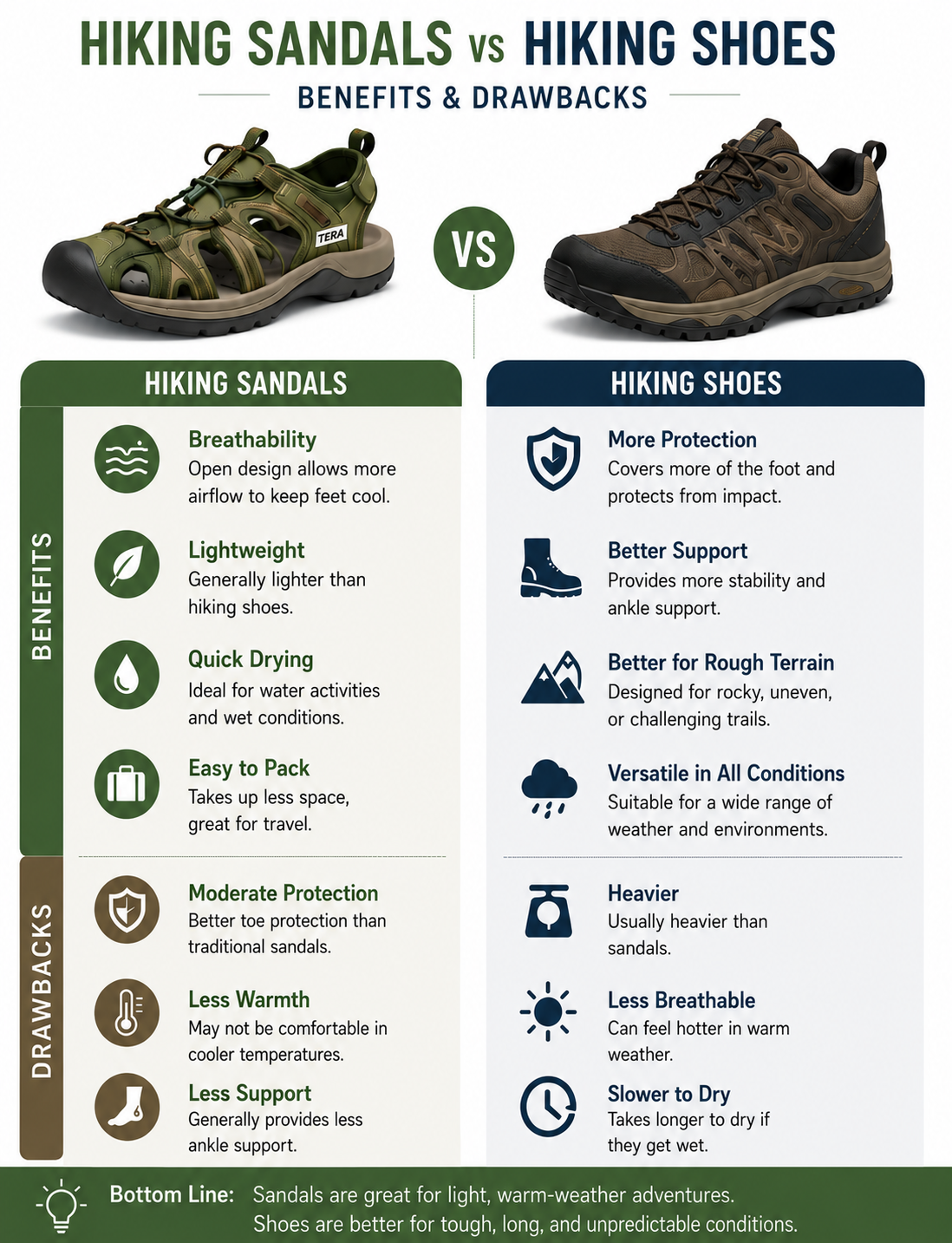
One advantage of most of hiking sandals is breathability. Open designs allow more airflow, which can make hot weather hikes feel more comfortable. Quick drying materials are also useful around water. Breathability is especially valuable during summer hikes and travel. Better airflow around the feet may help reduce discomfort during long periods of walking in warm weather.
On the other hand, hiking sandals leave much of the foot exposed. Small rocks, dirt, and branches can easily reach your feet. Cooler temperatures may also reduce their comfort.
Hiking shoes provide more protection and support. However, they are usually heavier than sandals and may feel warmer during summer hikes. The better option often depends on where and how you plan to hike. Both options offer advantages in different situations. The best choice depends on your priorities, including comfort, protection, weather, and trail conditions.
Weather conditions can also influence your decision. Hiking sandals are often preferred during hot summer weather because they allow more airflow around the feet. Hiking shoes may be a better option when temperatures are cooler or weather conditions are less predictable.
The comparison below highlights some of the key differences between the two options.
Footwear is only one factor that affects outdoor comfort. Additional ideas can be found in our article, How to Stay Comfortable on Long Walks and Day Hikes.
4. When to choose each option
The best choice often depends on your destination, weather, and planned activities. Different situations may require different types of footwear.
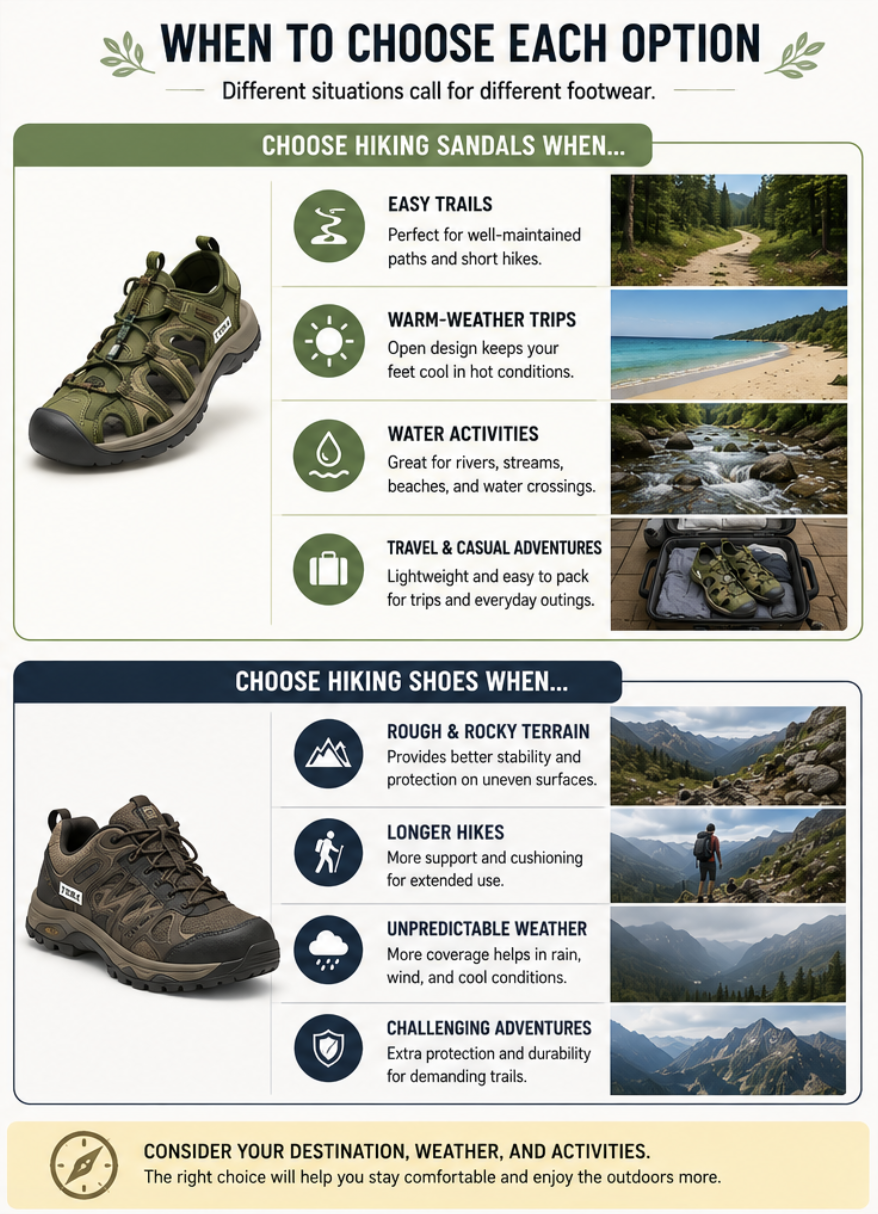
Hiking sandals work well on easy trails, warm-weather trips, and outdoor activities near water. Their lightweight design is often appreciated during casual adventures. Trail difficulty is another factor worth considering. Footwear that works well on an easy path may not provide the same level of comfort on more demanding routes. For example, hiking sandals may be a practical choice for lakeside walks, campground activities, and short outdoor trips. Their open design can feel more comfortable during hot summer days.
Hiking shoes are usually a better choice for rough trails, longer hikes, and unpredictable weather. In contrast, hiking shoes are often preferred when extra protection is needed. Rocky trails and uneven surfaces may require more support than sandals can provide. More coverage and support can make a noticeable difference on challenging routes. In some situations, hikers may choose both options for different activities during the same trip. For example, hiking shoes may be used on trails, while hiking sandals may be worn around the campsite.
Outdoor adventures often require more than just the right footwear. Our article, The Ultimate Summer Camping Checklist for Beginners, highlights other essentials to consider before your trip.
5. Conclusion
When comparing hiking sandals vs hiking shoes, each option offers different advantages. Sandals provide breathability and lightweight comfort, while hiking shoes offer greater protection and support.
Before making a decision, consider your destination, weather, and planned activities. The right footwear choice can improve your overall outdoor experience. No single option is perfect for every outdoor adventure. Considering your needs and environment can make it easier to select the most suitable footwear.
Both hiking sandals and hiking shoes can be valuable options for outdoor adventures. Understanding the strengths of each option can help you make a more confident choice before your next trip.